Top Ceramic Brands for Home Cooks
Ceramic cookware has gained significant attention among home cooks who prioritize both performance and sustainability. Unlike traditional nonstick coatings, which may raise concerns about certain chemicals, ceramic coatings are derived from natural minerals and are often marketed as a more eco-friendly choice. This article explores several leading ceramic cookware brands, examining their materials, construction, and suitability for everyday cooking.
The selection process for this overview considers factors such as durability, heat distribution, ease of cleaning, and environmental impact. It is important to note that no single brand is universally superior, as individual preferences in cooking style and maintenance routines play a crucial role. The information provided here is based on available product details and general user feedback, intended to guide readers in making informed decisions.
Understanding Ceramic Cookware
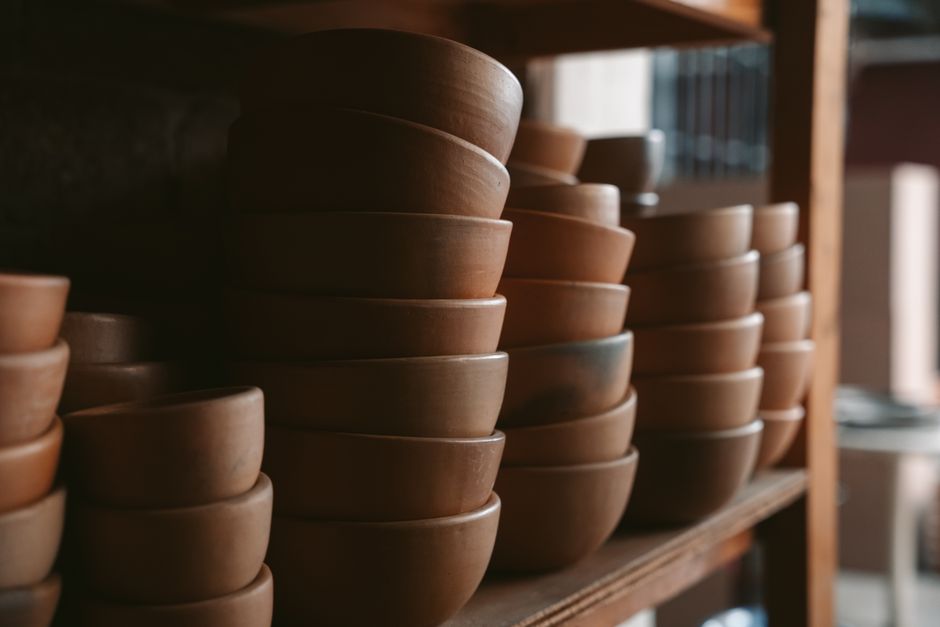
Ceramic cookware refers to two distinct types: one is fully ceramic, made from clay fired at high temperatures, and the other is metal cookware coated with a ceramic-based nonstick surface. The latter, often called ceramic-coated cookware, is more common in modern kitchens because it offers the convenience of nonstick cooking with lower potential environmental impact compared to some traditional coatings.
The ceramic coating is typically derived from sand-derived silica, making it free from PTFE and PFOA, substances that have been scrutinized for potential health and environmental concerns. This aspect appeals to health-conscious cooks who prefer to minimize exposure to synthetic chemicals. However, the durability of ceramic coatings can vary significantly between brands, and they may require more careful handling than their metal counterparts.
Heat conductivity is another consideration. Many ceramic-coated pans are constructed with aluminum or stainless steel cores to ensure even heating, while the ceramic layer provides the nonstick surface. Understanding these basic principles helps in evaluating the brands discussed in this article.
Brands Leading the Market
Several brands have established themselves as leaders in the ceramic cookware segment. Each offers unique features, from innovative manufacturing processes to a focus on sustainability. The following sections provide an overview of these brands, their philosophies, and what they bring to the table for home cooks.
GreenLife
GreenLife is a prominent name in eco-friendly cookware, particularly known for its ceramic nonstick coatings derived from sand. The brand emphasizes the absence of PFAS, PFOA, lead, and cadmium in its products, which resonates with consumers looking for safer alternatives. GreenLife offers a wide range of pots, pans, and sets that are designed to be lightweight and easy to handle, making them suitable for daily use.
One of the notable aspects of GreenLife is its commitment to sustainability beyond the coating itself. The company uses recycled materials in some of its packaging and has undertaken initiatives to reduce its carbon footprint. While these claims are commendable, users have reported that the ceramic coating may degrade over time if used with high heat or metal utensils, so following care instructions is essential.
For home cooks who prioritize affordability and environmental consciousness, GreenLife provides accessible entry points into ceramic cookware. Its pans are generally responsive to temperature changes, and the nonstick surface requires minimal oil, which can support healthier cooking habits. However, like any ceramic-coated product, they are not indestructible, and consistent performance depends on proper usage.
Cuisinart
Cuisinart is a well-known brand in the culinary world, and its ceramic cookware line is designed to combine durability with performance. Models such as the Ceramica XT series feature a titanium-reinforced ceramic coating, which aims to improve scratch resistance and longevity. This makes them a practical choice for cooks who often use metal utensils, although it is still recommended to use wooden or silicone tools to preserve the surface.
The construction of Cuisinart ceramic pans typically includes an aluminum core that ensures even heat distribution, reducing hot spots that could cause food to burn. The ceramic coating is also free from PTFE and PFOA, aligning with health-conscious preferences. Cuisinart’s reputation for reliability extends to their cookware, and many users find that these pans perform consistently over time with moderate care.
One consideration is that Cuisinart’s ceramic line tends to be slightly heavier than other brands, which could be a factor for those who prefer lightweight cookware. However, the trade-off is often a more substantial feel and better heat retention. For home cooks who value brand trust and are willing to invest a bit more, Cuisinart presents a strong option.
GreenPan
GreenPan is often credited with pioneering the eco-friendly nonstick movement with its Thermolon coating, which is ceramic-based and free from PFAS. The brand has expanded its lineup to include various collections, from budget-friendly to professional-grade, all emphasizing a healthier cooking experience. GreenPan’s technology involves a unique process that bonds the ceramic layer to the pan body, aiming to enhance durability and prevent flaking.
What sets GreenPan apart is its dedication to innovation in sustainability. The company has introduced products made from recycled aluminum and uses energy-efficient manufacturing methods. This appeals to eco-conscious cooks who consider the full lifecycle of their kitchenware. However, the performance of GreenPan pans can vary among models, and some users have noted that the nonstick properties diminish over time, especially if overheated.
For those looking for a wide variety of styles, from Dutch ovens to frying pans, GreenPan offers ample choices. The brand’s commitment to transparency, including providing information about materials and production, is a positive attribute. Home cooks who value sustainability and are mindful of cooking habits may find GreenPan a satisfying choice.
Our Place
Our Place has gained popularity in recent years, particularly home cooks who appreciate modern design and multifunctionality. Its signature Always Pan, which features a ceramic nonstick surface, is designed to replace several pieces of cookware, including a frying pan, saucepan, and steamer. The pan is aesthetically pleasing and aims to streamline kitchen routines.
The ceramic coating in Our Place products is free from toxic chemicals, and the pan is constructed with an aluminum core for fast and even heating. One distinctive feature is the built-in spatula, which nests into the handle, and the steam basket accessory that expands cooking possibilities. While these innovations are praised, some users have reported that the nonstick surface is not as durable as traditional coatings, and they recommend hand-washing and avoiding high heat.
Our Place’s focus on versatility appeals to cooks with limited storage space or those who prefer a minimalist approach. The brand’s marketing emphasizes sustainability and thoughtful design, though it’s worth noting that the price point is relatively higher than other ceramic options. For home cooks who value convenience and aesthetics, Our Place offers a compelling package, but it requires careful maintenance to ensure longevity.
Caraway
Caraway is another brand that has carved a niche in the ceramic cookware market, with a focus on health and safety. The brand’s products are coated with a ceramic nonstick finish that is free from lead, cadmium, and PFAS. Caraway pans are known for their even heating and generous capacity, making them suitable for family-sized meals.
What sets Caraway apart is its attention to design, offering a range of colors and a storage system that protects the ceramic surface. The brand also provides magnetic pan racks that can be attached to cabinets or walls, emphasizing organization. This approach appeals to consumers who appreciate both functionality and aesthetics.
Caraway’s construction often includes an aluminum core with a stainless steel base, designed to be induction-compatible. The ceramic coating is reinforced to withstand typical cooking temperatures, although high heat should be avoided. Users have noted that the pans are slightly heavier but perform well in terms of nonstick capability. For those willing to invest in premium cookware, Caraway represents a high-quality option that aligns with eco-conscious values.
Comparing Key Features
When evaluating ceramic cookware brands, it’s helpful to compare their offerings on several fronts: coating durability, heat performance, sustainability, and price. The following list summarizes general characteristics, though individual experiences may vary.
- Coating durability: Brands like Cuisinart and Caraway claim enhanced scratch resistance, while others like GreenLife may be more prone to wear. Using silicone or wooden utensils and proper storage can extend the life of any ceramic coating.
- Heat performance: Aluminum core pans generally provide good heat conduction. Heavier constructions, such as those from Cuisinart or Caraway, may hold heat longer, while lighter ones may respond faster.
- Sustainability: GreenPan and GreenLife emphasize eco-friendly manufacturing and recycled materials. Caraway and Our Place also highlight their commitment to sustainability, though specifics vary.
- Price: GreenLife offers budget-friendly options, Cuisinart and GreenPan fall in a mid-range, while Our Place and Caraway are premium-priced for their design and features.
This summary is not exhaustive, but it provides a starting point for comparing brands. Since ceramic cookware is subject to wear and tear, it’s important to consider warranties and customer service policies, which can be indicative of a brand’s confidence in its product.
Usage and Maintenance Tips
To maximize the longevity of ceramic cookware, proper usage is essential. Ceramic coatings are generally safe for use on medium to low heat, as excessive temperatures can degrade the surface. It is advisable to avoid preheating an empty pan, which can cause thermal shock. Using cooking oils or sprays may enhance the nonstick properties, but even without oil, most ceramic pans release food easily.
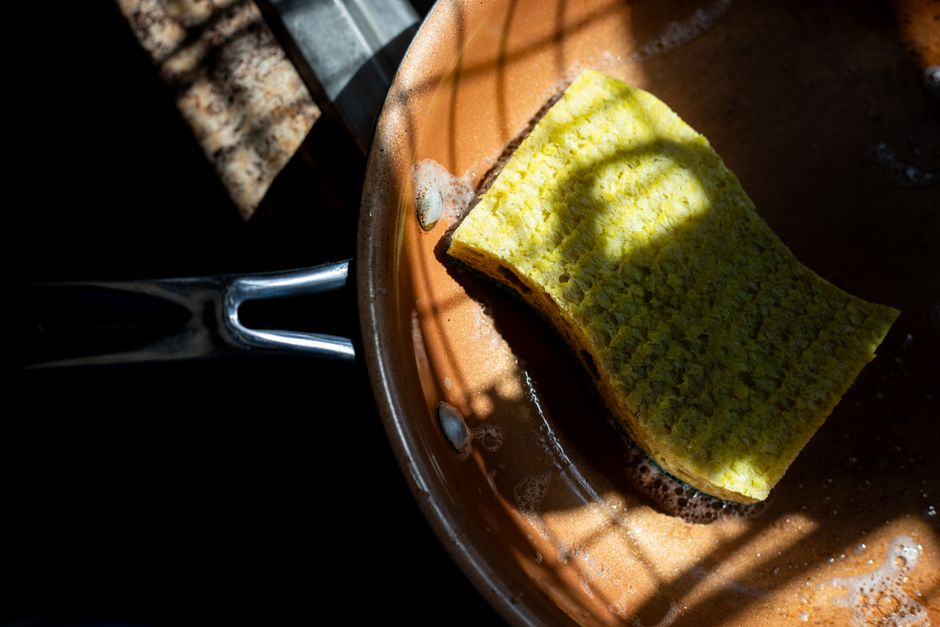
Cleaning ceramic cookware is straightforward. Most brands recommend hand-washing with a soft sponge and mild detergent. Dishwasher cycles may be too harsh and can reduce the coating’s lifespan. Abrasive cleaners or scrubbers should be avoided. For stubborn residues, soaking in warm soapy water is usually effective, and baking soda paste can help remove marks without damaging the surface.
Storage also matters. Stacking pans without protective liners can scratch the coating. Many brands offer either removable handles or storage racks to prevent contact. Even when using the included protectors, it is best to hang pans or place them on a rack to avoid unnecessary friction.
By adhering to these care instructions, home cooks can maintain the performance and appearance of their ceramic cookware. It is also wise to periodically inspect the coating for chips or excessive scratches, as damaged surfaces may not be as safe or effective.
The longevity and safety of ceramic cookware depend not only on the brand but also on user habits. Consistent gentle use and proper maintenance are key to preserving its qualities.
Conclusion
Selecting the right ceramic cookware involves balancing trade-offs between durability, environmental impact, price, and design. Brands like GreenLife and GreenPan offer accessible, eco-friendly options with a focus on health-conscious materials. Cuisinart provides reliable construction and enhanced durability, while Our Place and Caraway appeal to those who seek multifunctionality and aesthetics.
It is essential for home cooks to assess their own priorities, such as cooking frequency, heat preferences, and storage capabilities. No single brand is universally superior, and individual experiences can vary based on usage patterns and care. By understanding the characteristics of each brand, consumers can make a choice that aligns with their needs and values.
As with any cookware investment, it is advisable to consider the long-term perspective. Ceramic coatings are not permanent and will eventually show signs of wear, but with proper handling, they can serve well for several years. Ultimately, the best ceramic brand for a home cook is one that integrates seamlessly into their kitchen routine and supports their culinary practices.