Budget-Friendly Kitchenware Set for Beginners
Starting a first kitchen often involves making many decisions, and cookware is among the most important. For those new to cooking, the sheer variety of pots, pans, and materials can be overwhelming. At the same time, budget constraints are a common reality, making it necessary to prioritize functionality and durability without excessive spending. A well-chosen set of essential cookware can serve as a reliable foundation for learning and preparing everyday meals.
This article explores the key considerations for selecting a budget-friendly kitchenware set, focusing on the essential pieces that offer versatility and value. It provides a framework for evaluating materials, construction, and maintenance, helping beginners make informed choices that align with their cooking styles and financial plans. By understanding the basics, new cooks can equip their kitchens efficiently and confidently.
Understanding the Core Essentials
When assembling a starter cookware set, the primary focus should be on versatility. A few well-chosen pieces can cover a wide range of cooking tasks, from boiling pasta to searing chicken. The typical essential set includes a skillet, a saucepan, and a stockpot. These three items form the backbone of most recipes and allow beginners to practice fundamental techniques without needing a vast array of specialized equipment.
A skillet, often 8 to 12 inches in diameter, is indispensable for frying, sautéing, and browning. A saucepan with a capacity of 2 to 3 quarts is suitable for preparing sauces, grains, and smaller portions. A stockpot, usually 6 to 8 quarts, handles soups, stews, and boiling water for pasta. Together, these pieces provide a comprehensive range of options for beginner cooks.
In addition to these core vessels, some sets include a sauté pan, which has straighter sides and a larger surface area, or a Dutch oven, which offers excellent heat retention. While not strictly necessary, such additions can enhance versatility. However, for those on a strict budget, focusing on the core trio is often the most practical approach.
Selecting Materials and Construction
The material of cookware significantly influences its performance, durability, and care requirements. Common options include stainless steel, nonstick coatings, cast iron, and aluminum. Each has its own advantages and trade-offs, making it important to consider how they align with cooking habits and maintenance preferences.
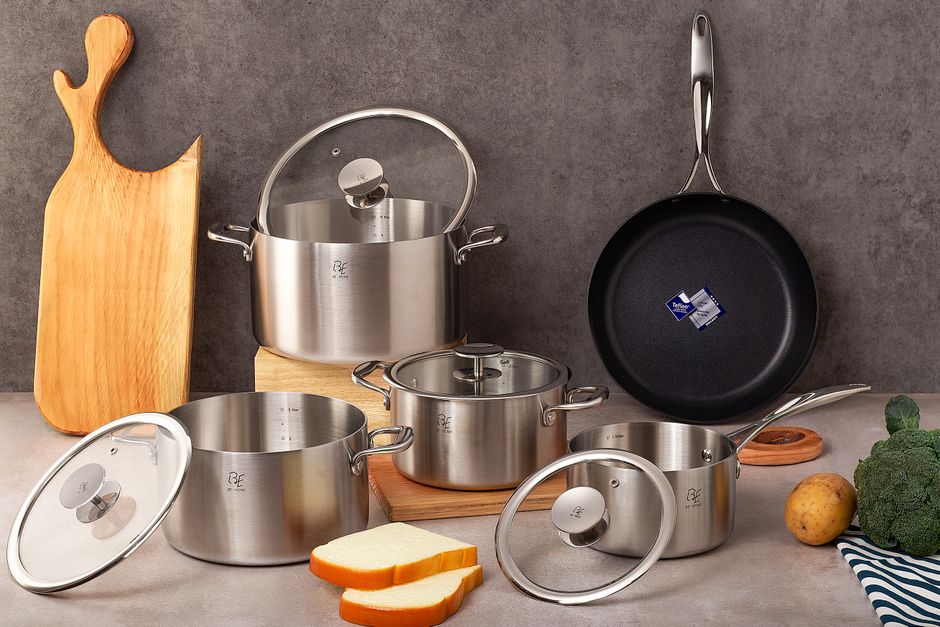
Stainless steel is prized for its durability and resistance to rust and staining. It heats evenly and can withstand high temperatures, making it suitable for browning and deglazing. However, it is a poor conductor of heat on its own, so many stainless steel pans feature an aluminum or copper core to improve heat distribution. This combination is common in mid-range sets and offers a good balance of performance and value.
Nonstick pans are coated with materials like Teflon or ceramic to reduce the amount of oil needed and to facilitate easy cleaning. They are ideal for cooking delicate foods such as eggs and fish, but they require gentle handling to avoid scratching the coating. Over time, nonstick coatings can degrade, especially if heated empty or used with metal utensils, so following care instructions is essential.
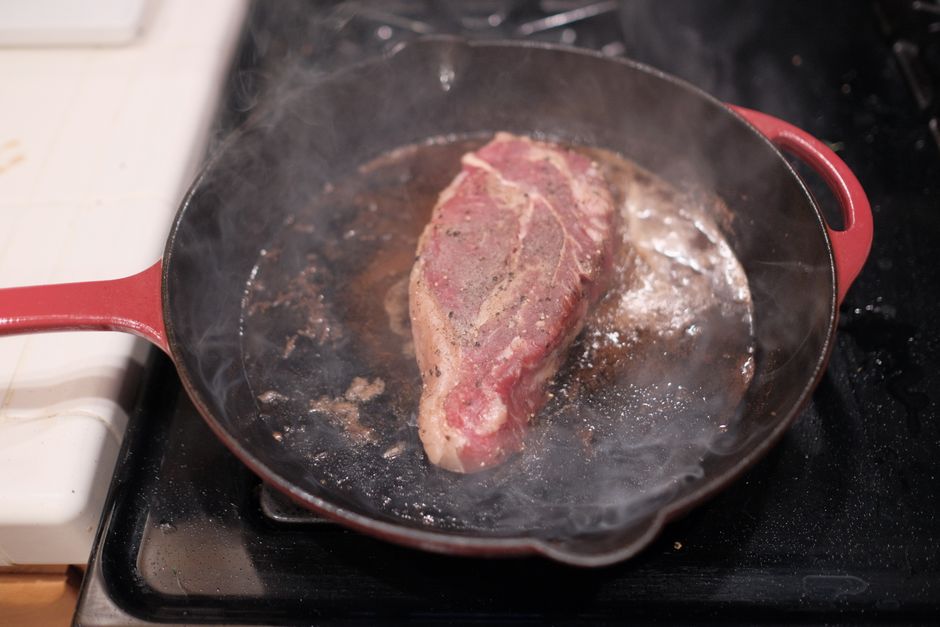
Cast iron is known for its excellent heat retention and natural nonstick properties when seasoned. It can be used on the stovetop and in the oven, making it versatile. However, it is heavy and requires regular seasoning to maintain its surface. For beginners, cast iron can be a rewarding choice if they are willing to invest time in its care.
Aluminum is lightweight and heats quickly, but it can react with acidic foods and is often coated or anodized to mitigate this. Anodized aluminum has a hard, non-reactive surface that resists scratching and is easier to clean. Many budget-friendly sets feature anodized aluminum as a practical compromise between performance and cost.
Evaluating Handles and Lids
The design of handles and lids contributes to the overall usability and safety of cookware. Handles should be securely attached and made from materials that stay cool to the touch, such as silicone, plastic, or wood, while still being able to withstand oven temperatures if needed. Riveted handles offer better durability than welded ones, as they are less likely to loosen over time.
Lids are equally important, as they trap heat and moisture during cooking. Glass lids allow monitoring without lifting the lid, preserving consistent cooking conditions, while metal lids are often lighter and more durable. A well-fitted lid should sit snugly to minimize steam loss. Many sets offer lids that fit multiple pieces, which saves space and reduces cost.
When examining a set, consider the balance of the cookware when filled and the grip comfort of the handles. Over time, loose handles or ill-fitting lids can be frustrating and lead to accidents, so checking these details before purchase is wise.
Considering Compatibility and Care
Cookware must be compatible with the heat sources in the kitchen. Most modern sets are suitable for gas, electric, and ceramic stovetops, but induction cooktops require cookware with a magnetic bottom. This is typically indicated by the manufacturer, so verify compatibility if an induction range is in use. Additionally, some cookware is oven-safe up to certain temperatures, which is crucial for recipes that require transferring from stovetop to oven.
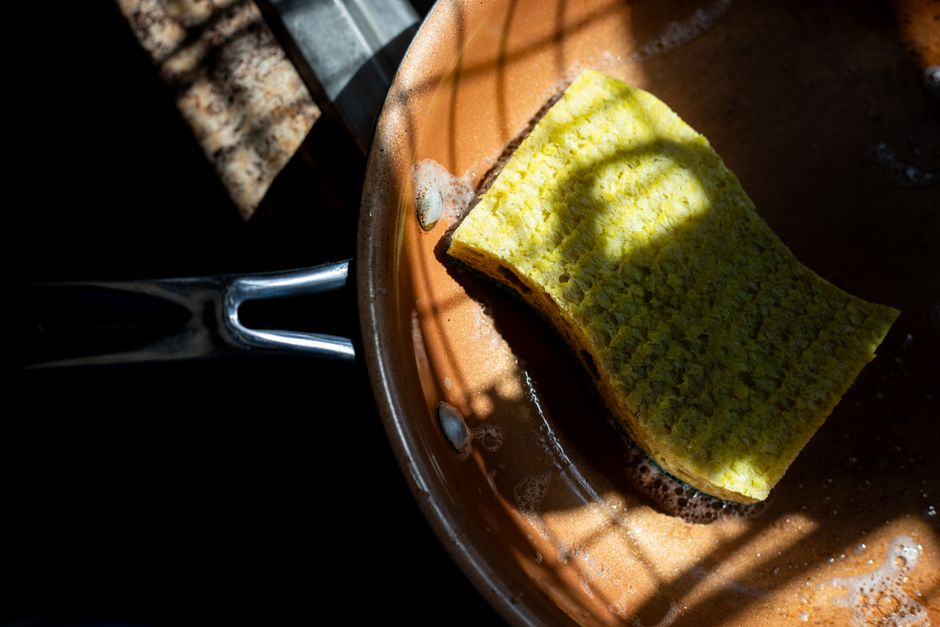
Care and maintenance are often overlooked but are critical for longevity. Nonstick pans usually require hand washing with mild detergent and soft sponges, while stainless steel can often go in the dishwasher. Cast iron must be seasoned and dried immediately to prevent rust. Understanding these requirements helps avoid damage and ensures the cookware lasts as long as possible.
Storage is another consideration. Cookware with detachable handles or nesting designs can save cabinet space. Many budget-friendly sets are designed with stacking in mind, which is an advantage for those with limited kitchen storage.
Budgeting and Set Composition
Budget constraints naturally influence the composition of a starter set. While some sets include a wide range of pieces, others focus on fewer but more versatile items. It is generally more cost-effective to purchase a set than individual pieces, as sets often offer savings. However, it is wise to assess every piece in a set for its intended utility, as including rarely used items adds unnecessary cost.
A typical budget-friendly set might include a 10-inch skillet, a 3-quart saucepan, a 6-quart stockpot, and a lid system. Some sets also feature a small sauté pan or a milk warmer, which can be useful but not essential. Beginners should consider their cooking habits: if they primarily cook for one or two, smaller sizes may suffice, while larger households might require bigger capacities.
When evaluating cost, it is important to weigh the initial price against potential durability. A slightly higher investment in a set with thick, sturdy construction may offer a longer service life and better performance than a cheaper set that might warp or lose its nonstick coating quickly. Reading reviews and checking materials can provide insight into long-term value.
In addition to the core pots and pans, beginners might need a few utensils and accessories, such as a wooden spatula, a slotted spoon, and a whisk. These items are inexpensive and can be acquired separately, allowing the budget to be concentrated on the cookware itself.
Making an Informed Choice
Ultimately, selecting a budget-friendly kitchenware set involves balancing cost, functionality, and durability. Beginners should prioritize the essential pieces, choose materials that match their cooking style, and consider care requirements. By doing so, they can build a practical cookware collection that supports their culinary learning journey.
While the market offers a wide range of options, the fundamental principles remain the same: focus on versatility, quality construction, and compatibility. A thoughtful initial investment can lead to years of reliable use, even on a modest budget. As cooking skills develop, additional pieces can be added gradually, customizing the collection to individual needs.
Remember that no set is perfect for everyone, and personal preferences play a significant role. By understanding the basics outlined here, beginners can approach the selection process with clarity and confidence, ensuring their first kitchen is equipped to meet their needs without exceeding their financial plans.