How to Choose Between Stainless Steel and Cast Iron Cookware
Selecting the right cookware is a foundational decision in any kitchen. Two of the most popular materials, stainless steel and cast iron, each offer distinct characteristics that influence cooking results and daily usability. Understanding the differences between them helps home cooks and professionals alike make an informed choice based on their specific needs and preferences. This article examines the key aspects of heat retention, maintenance, and cooking performance to provide a clear comparison.
Stainless steel is prized for its durability, corrosion resistance, and sleek appearance, while cast iron is renowned for its exceptional heat retention and natural non-stick properties when properly seasoned. Both materials have their loyal proponents, but the best choice depends on individual cooking styles, the types of dishes prepared, and the level of care one is willing to invest. By evaluating these factors, one can determine which material aligns better with their culinary habits and lifestyle.
Heat Retention and Distribution
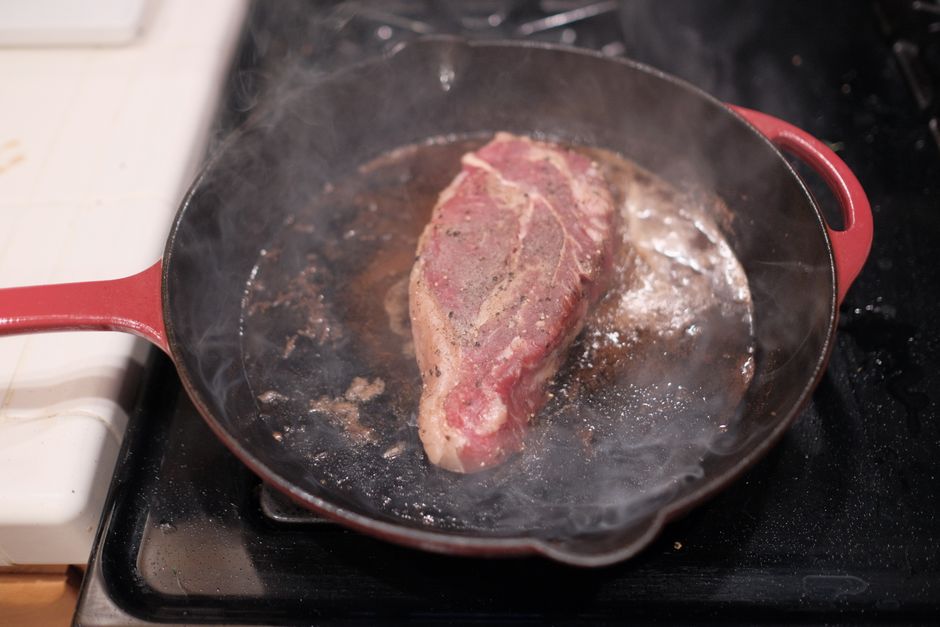
Heat retention refers to a material’s ability to maintain its temperature once heated, while heat distribution describes how evenly heat spreads across the cooking surface. Cast iron excels in heat retention due to its high density and specific heat capacity. This means that once a cast iron pan is heated, it holds its temperature steadily, even when cooler ingredients are added. This property makes it particularly suitable for searing meats, frying foods, and slow-cooking dishes that require consistent heat over time.
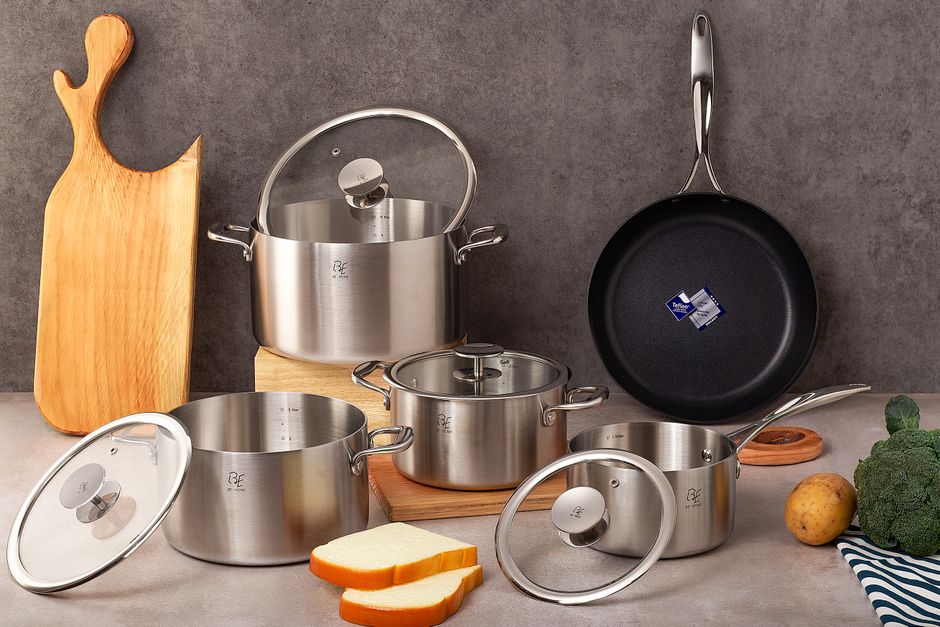
In contrast, stainless steel is a relatively poor conductor of heat on its own. To improve its heat distribution, many stainless steel pans feature an aluminum or copper core, which helps spread heat more evenly across the bottom. However, even with these additions, stainless steel pans may still develop hot spots if not properly preheated. They also respond quickly to temperature changes, making them ideal for techniques that require precise control, such as deglazing, making sauces, or adjusting heat rapidly.
The choice between these two materials thus involves a trade-off between stable, sustained heat and responsive, controllable heat. Cooks who favor high-heat searing and long, even cooking might prefer cast iron, while those who value quick adjustments and precise temperature management may find stainless steel more suitable. It is also worth noting that cast iron is compatible with induction cooktops, as are many stainless steel pans, but the latter often have a wider range of compatibility with various heat sources.
Maintenance and Care
Maintenance is a critical factor in choosing cookware, as it directly impacts daily convenience and long-term usability. Cast iron requires a seasoning layer to maintain its non-stick surface and protect against rust. Seasoning involves applying a thin coat of oil and heating the pan to polymerize the oil, creating a natural, low-friction coating. Initially, this process must be repeated several times to build a good layer, and subsequent care includes hand washing, thorough drying, and occasionally reapplying oil. Cast iron is not dishwasher safe, and soaking or leaving it wet can lead to rust. Many cooks find this maintenance routine to be a rewarding ritual, but it does demand consistent attention.
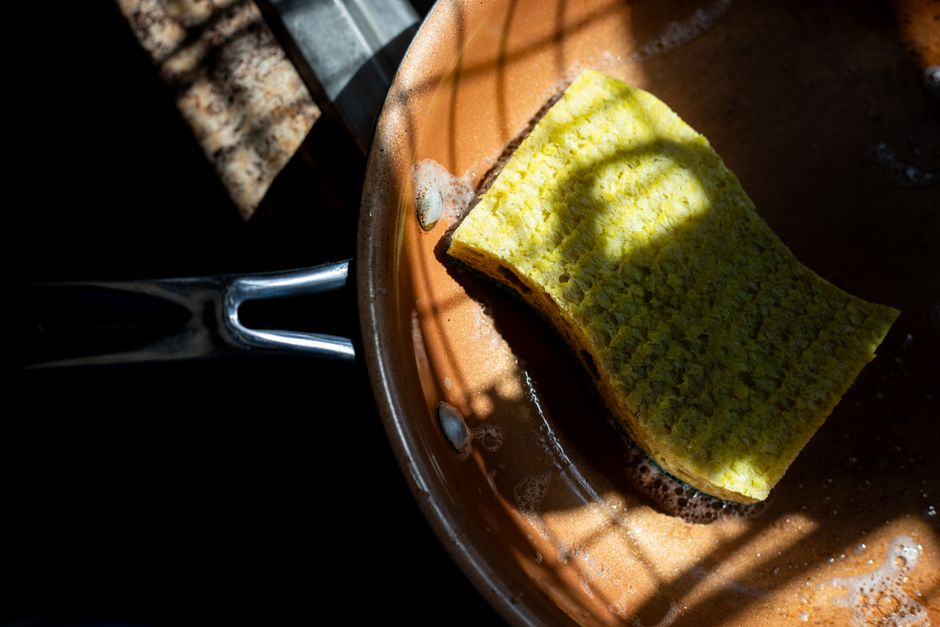
Stainless steel, on the other hand, is relatively low-maintenance. It is dishwasher safe in most cases, though hand washing is often recommended to preserve its appearance. It does not require seasoning and is naturally resistant to rust and corrosion. However, stainless steel is prone to food sticking if not preheated properly or if the cooking surface is not well-oiled. Additionally, high heat can cause discoloration or create stubborn stains, which can be removed with specialized cleaners or a paste of baking soda. Overall, stainless steel offers a more straightforward cleaning process, but it may require more care during cooking to prevent sticking.
For those who prioritize ease of cleaning and minimal upkeep, stainless steel is generally more convenient. Conversely, cooks who are willing to invest time in regular seasoning and hand washing may find that cast iron becomes increasingly non-stick over time and offers a cherished heirloom-quality cookware piece. The decision often hinges on personal values: convenience versus traditional craft.
Versatility in Cooking Techniques
Both stainless steel and cast iron offer versatile cooking capabilities but excel in different areas. Cast iron is exceptional for high-heat searing, frying, and sautéing. Its ability to go from stovetop to oven makes it ideal for dishes like skillet cornbread, frittatas, or baked pastas. However, because of its reactive nature, cast iron is not recommended for acidic foods such as tomato sauces, citrus-based dishes, or wine reductions, as the acid can react with the iron, imparting a metallic taste and damaging the seasoning. This limitation requires cooks to use enameled cast iron or other cookware when preparing such recipes.
Stainless steel, being non-reactive, is safe for cooking acidic ingredients without altering flavor. It is also excellent for browning, braising, and creating pan sauces, as the fond (browned bits) can be easily deglazed. Stainless steel’s smooth surface allows for effective browning and even caramelization. It is also often preferred for tasks like boiling liquids, cooking grains, or preparing delicate foods like fish, where sticking might be a concern if heat control is not meticulous.
A key consideration is the type of kitchen range: both materials are compatible with gas, electric, and induction cooktops. Cast iron can be used over open fires as well, making it a favorite for camping. Stainless steel, if it includes a magnetic bottom, is suitable for induction. This versatility makes both materials valuable, and many kitchens include examples of each to cover a wide range of cooking styles.
Weight and Handling
The physical characteristics of each cookware type also influence usability. Cast iron is notably heavy, which can be a drawback for those with limited upper-body strength or wrist issues. Lifting a large cast iron skillet to flip food or pour out liquids may be challenging. However, the weight contributes to its heat retention and stability, preventing it from shifting during vigorous stirring. Some cooks appreciate the solid feel of cast iron, while others find it cumbersome.
Stainless steel pans are generally lighter, especially those with thinner bases, making them easier to handle and control. However, lighter pans may not retain heat as well and can cool down quickly when food is added. Many stainless steel pans come with long handles that remain cool, but the entire pan can become hot, requiring the use of oven mitts. In comparison, cast iron handles are always hot and must be wrapped or covered when gripping.
Ergonomic considerations are subjective, but they are important for ensuring comfortable cooking experiences. Cookware that is too heavy to handle safely can lead to accidents or discourage use. Therefore, assessing one’s physical comfort and kitchen setup is advisable before choosing between the two.
Durability and Longevity
Both stainless steel and cast iron are known for their exceptional durability, with the potential to last for decades when cared for properly. Cast iron is almost indestructible in terms of structural integrity; it can withstand very high temperatures and rough handling. It can be re-seasoned indefinitely to restore its surface. The main risk is rust if neglected, but with proper care, a cast iron pan can become a family heirloom passed down through generations.
Stainless steel is also highly durable and resistant to warping, dents, and scratches, especially if it has a thick base. It is dishwasher safe and does not rust, making it a reliable workhorse in many kitchens. However, stainless steel can develop minor scratches or discoloration over time, which some consider a sign of character while others find unappealing. High-quality stainless steel pans are designed to maintain their appearance and performance for years.
In terms of longevity, both materials outperform many nonstick-coated alternatives, which may lose their coating and require replacement. The choice between stainless steel and cast iron often comes down to whether one prefers the rustproof, easy-care nature of stainless steel or the traditional, seasoned surface of cast iron, which improves with age.
Conclusion: Matching Cookware to Your Needs
Deciding between stainless steel and cast iron involves evaluating your cooking priorities, lifestyle, and willingness to perform routine maintenance. Cast iron offers superior heat retention, natural non-stick properties, and traditional charm, but it requires careful upkeep and is heavier. Stainless steel provides effortless cleaning, non-reactivity, and precise heat control, but it may demand more attention during cooking to prevent sticking and may not hold heat as consistently.
For most kitchens, incorporating both types can be the practical solution. A cast iron skillet can handle high-heat searing and oven-to-table dishes, while a stainless steel saucepan or sauté pan covers tasks like making acidic sauces and boiling. By understanding the strengths and limitations of each material, you can make an informed decision that enhances your cooking experience and aligns with your culinary habits.
Ultimately, the best cookware is the one that fits your cooking style, you are comfortable using, and you are willing to maintain over the long term.
Whether you choose stainless steel, cast iron, or a combination, both materials are capable of producing excellent results in the hands of a skilled cook.